2024 Grand Canyon National Park Guide
Grand Canyon is packed with outdoor adventures. Hiking, biking, rafting, camping, scenic flights — this epic park has it all.
But visiting can be overwhelming.
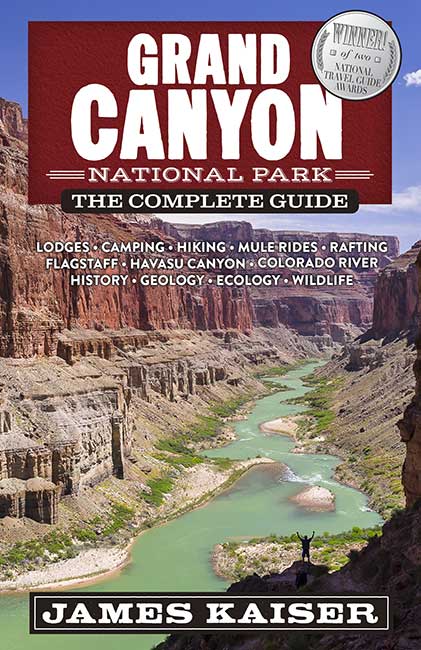
Without proper planning, it’s easy to miss out. Grand Canyon National Park: The Complete Guide puts the best of the park at your fingertips, helping you plan an unforgettable trip.
Discover the Best of Grand Canyon

The #1 Grand Canyon guidebook.
Grand Canyon Travel Tips
Best Times to Visit
There’s no bad time to visit Grand Canyon, but knowing what to expect each season helps you plan the perfect trip. Discover the best months for hiking, biking, and other adventures.

What to Pack
Ten essential items to pack when you visit Grand Canyon National Park. Don’t leave home without this important gear!
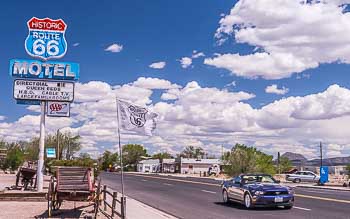
Driving to Grand Canyon
Whether you’re driving from Las Vegas, Phoenix, Flagstaff or Albuquerque, I’ll show you the best routes — and great sights to see along the way.
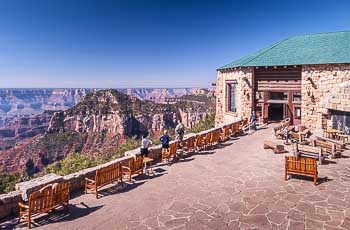
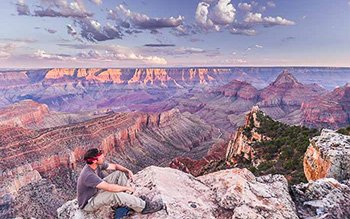
Best Viewpoints
One of the best ways to experience Grand Canyon is to visit an amazing viewpoint. Here’s my guide to the best overlooks.
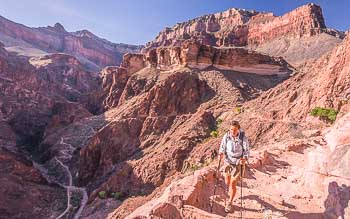
Grand Canyon Adventures
Hiking, mule rides, river trips — Grand Canyon is filled with outdoor adventures. The only question is what not to do!
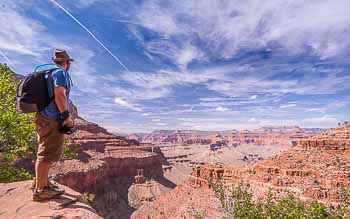
How to Avoid the Crowds
It’s easy to escape the crowds and find peace and quiet. You just need to know a few simple tips.
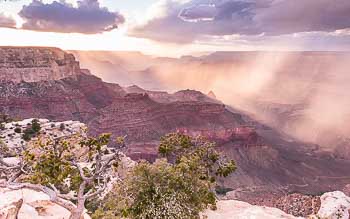
Grand Canyon Weather
From thunderstorms to snowstorms, learn about the Canyon’s seasonal weather patterns—and the best times to visit.
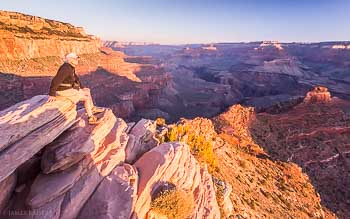
Grand Canyon Geology
Learn about the powerful geologic forces that created one of earth’s most incredible sights.
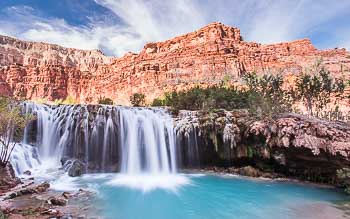
Havasu Canyon
This massive side canyon, home to the Havasupai tribe for centuries, is famous for its stunning blue waterfalls.
Introduction to Grand Canyon National Park
Adapted from
Grand Canyon National Park: The Complete Guide
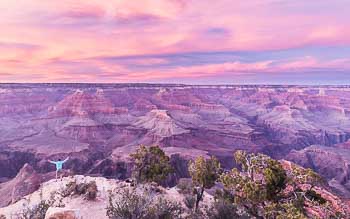
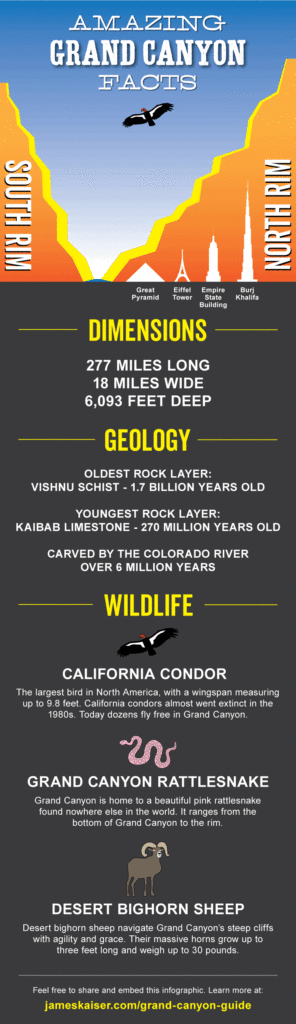
One mile deep. Ten miles wide. Two hundred seventy-seven miles long. Covering 1.2 million acres in northern Arizona, Grand Canyon is a breathtaking act of geology. Teddy Roosevelt called it “the one great sight every American should see.”
The panorama from the rim is one of the most impressive sights in the world, but Grand Canyon National Park is much more than just a pretty view. Hidden within its depths are fascinating animals, geologic marvels, the ruins of an ancient civilization, and some of the best outdoor adventures in North America.
Cut by the Colorado River over the past six million years, the Canyon is a colossal labyrinth of towering buttes and deep side canyons. Although massive, most visitors head to one of two developed areas: the South Rim or the North Rim.
Discover the best
of Grand Canyon
Winner of two national travel guide awards.
South Rim & North Rim
The South Rim, located two hours north of Phoenix, is by far the more accessible and popular of the two. Home to six of the park’s eight lodges, it’s what most people think of when they think of Grand Canyon.
The North Rim is located just south of the Arizona/Utah border — one of the least densely populated regions in the United States. Its remote location means fewer crowds, but equally stunning views.
Inner Canyon
Hiking trails descend from both rims to the bottom of the Canyon. Along the way, they pass through 11 layers of ancient rocks, ranging in age from 250 million to nearly two billion years old—almost half the age of the Earth!
At the bottom of the Canyon, near the junction of three popular trails, lies Phantom Ranch, an overnight lodge offering comfortable beds and home-cooked meals. Guided mule trips are also offered along several Grand Canyon trails, and both day and overnight trips are available.
Colorado River
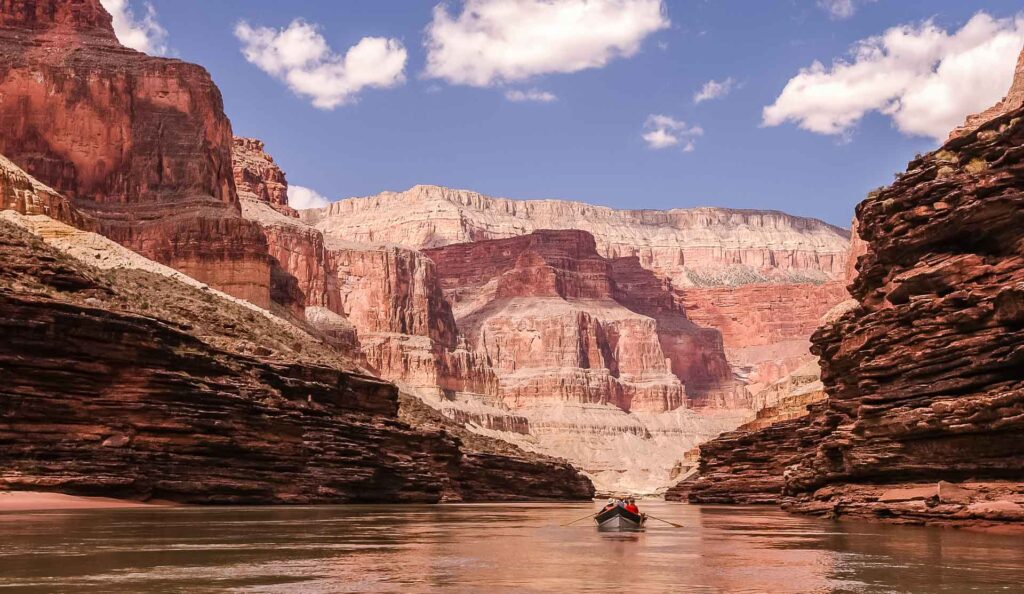
Twisting through the bottom of the Canyon is the Colorado River. Fed by Rocky Mountain snowmelt before slicing through the deserts of Utah and Arizona, the Colorado is the most impressive river in the West. Although currently plugged by dams along much of its length, the Colorado flows free in the Canyon, dropping 2,000 feet in 277 miles. Over 20,000 people embark on river trips through the Canyon each year.
In addition to 60 thrilling rapids, river trips provide access to spectacular hiking trails, stunning Indian ruins, and gorgeous waterfalls. Without question, a river trip through Grand Canyon National Park is one of Earth’s most incredible outdoor adventures.